 Gear
Gear Do Calming Aids and Anxiety Wraps Actually Help Reactive Dogs?
An honest look at the actual evidence behind pressure wraps, pheromone products, and calming supplements — modest results at best, and never a substitute for training.
February 8, 2027 Read More →These three posts cover the core method everything else on this site builds on.
 1
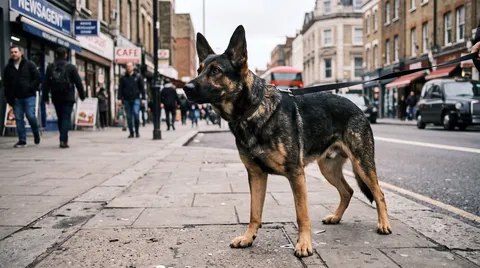
1 Dog Reactivity: The Complete Guide
This dog reactivity guide covers what reactivity actually is, common triggers, the threshold-distance method, and how every technique on this site fits together.
 2
2 How to Find Your Dog's Threshold Distance (Step-by-Step)
Threshold distance is the single most useful concept in reactive dog training. Here's a step-by-step protocol for finding it and working at it safely.
 3
3 Reactive Dog Training in an Apartment: A Realistic Plan (No Backyard Needed)
A step-by-step plan for training a reactive dog in an apartment — hallway protocols, controlled practice reps, and what progress realistically looks like without a yard.
Same idea as threshold distance — start where your dog can actually succeed, then work closer.
Click a level above to see posts that fit where you are right now.
 Gear
Gear Do Calming Aids and Anxiety Wraps Actually Help Reactive Dogs?
An honest look at the actual evidence behind pressure wraps, pheromone products, and calming supplements — modest results at best, and never a substitute for training.
Read More → Gear
Gear Best Treat Pouches and High-Value Training Treats for Reactive Dogs
Speed of delivery matters more for reactive dog training than for general obedience. Here's what actually makes a treat high-value and a pouch worth using.
Read More →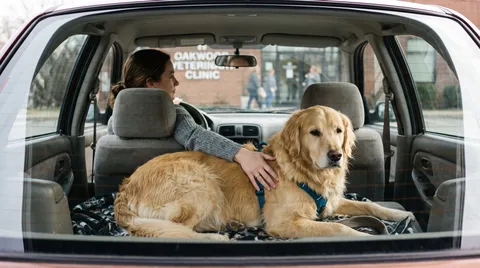 Apartment & City Living
 Taking a Reactive Dog to the Vet: How to Make It Less Stressful
Vet-clinic reactivity is almost always fear, not temperament. Here's how to make visits genuinely less stressful — logistics, happy visits, and muzzle prep.
Read More → Apartment & City Living
 Walking a Reactive Dog in a Crowded City
City sidewalks often don't give you room to create real distance. Here's how to plan routes, use the street itself, and set realistic expectations for dense-city walks.
Read More → Specific Triggers
 Why Your Dog Barks and Lunges in the Car (And What Actually Helps)
Cars intensify reactivity for a specific reason: the dog can't create distance. Here's why, and why management — not in-the-moment training — is usually the right first move.
Read More → Method
 Socializing a Reactive Dog Safely: A Realistic Approach
For an adult reactive dog, the realistic goal isn't a social butterfly — it's calm coexistence. Here's a safe, incremental approach to socializing without flooding.
Read More →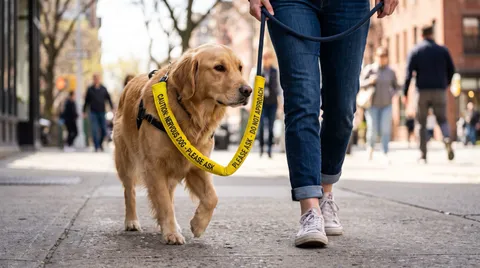 Specific Triggers
 Dog Reactive to Strangers Approaching: How to Advocate for Your Dog
If your dog is reactive to strangers, the core skill is advocacy — preventing unwanted approaches before they happen, not just managing the reaction after.
Read More →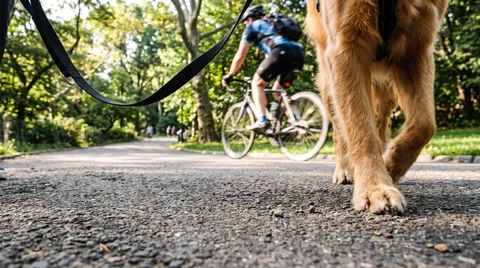 Specific Triggers
 Dog Reactive to Bikes and Skateboards: A Step-by-Step Fix
Bikes and skateboards trigger a different instinct than dog-to-dog reactivity. Here's how to tell chase drive from fear, and a structured plan for both.
Read More → Programs & Reviews
 In-Person Trainer or Online Course? How to Decide
The right format depends on the specific problem, not a general preference. Here's an honest decision framework, plus real cost numbers for both routes.
Read More → Programs & Reviews
 Online Reactive Dog Training Programs Compared
Brain Training for Dogs, SpiritDog, Dunbar Academy, and Fenzi compared honestly — format, specificity, price, and who each one actually fits.
Read More → Programs & Reviews
 How to Vet a Force-Free Dog Trainer (Before You Hire One)
Dog training is an unregulated industry — anyone can call themselves a trainer. Here's how to actually check credentials and vet someone before hiring them.
Read More → Method
 BAT (Behavior Adjustment Training) Explained
BAT is a named, professionally developed method that rewards a reactive dog's calmer choices with the thing they actually want: distance. Here's how it works and where it fits.
Read More → Gear
Gear Best Treat Pouches and High-Value Training Treats for Reactive Dogs
Speed of delivery matters more for reactive dog training than for general obedience. Here's what actually makes a treat high-value and a pouch worth using.
Read More → Specific Triggers Why Your Dog Barks and Lunges in the Car (And What Actually Helps)
Cars intensify reactivity for a specific reason: the dog can't create distance. Here's why, and why management — not in-the-moment training — is usually the right first move.
Read More → Apartment & City Living Taking a Reactive Dog to the Vet: How to Make It Less Stressful
Vet-clinic reactivity is almost always fear, not temperament. Here's how to make visits genuinely less stressful — logistics, happy visits, and muzzle prep.
Read More → Apartment & City Living Walking a Reactive Dog in a Crowded City
City sidewalks often don't give you room to create real distance. Here's how to plan routes, use the street itself, and set realistic expectations for dense-city walks.
Read More → Core Guide
 Reactive Dog or Aggressive Dog? What's the Difference
Reactive and aggressive are not the same thing, and mixing them up matters. Here's the real distinction, cited consistently across veterinary sources.
Read More → Programs & Reviews In-Person Trainer or Online Course? How to Decide
The right format depends on the specific problem, not a general preference. Here's an honest decision framework, plus real cost numbers for both routes.
Read More → Programs & Reviews Online Reactive Dog Training Programs Compared
Brain Training for Dogs, SpiritDog, Dunbar Academy, and Fenzi compared honestly — format, specificity, price, and who each one actually fits.
Read More → Gear
Gear Best Long-Line Leash for Reactive Dog Training
A long line isn't a retractable leash — it's a specific training tool. Here's what to actually look for in length, material, and width for reactive dog work.
Read More → Method Socializing a Reactive Dog Safely: A Realistic Approach
For an adult reactive dog, the realistic goal isn't a social butterfly — it's calm coexistence. Here's a safe, incremental approach to socializing without flooding.
Read More → Programs & Reviews How to Vet a Force-Free Dog Trainer (Before You Hire One)
Dog training is an unregulated industry — anyone can call themselves a trainer. Here's how to actually check credentials and vet someone before hiring them.
Read More → Specific Triggers Dog Reactive to Strangers Approaching: How to Advocate for Your Dog
If your dog is reactive to strangers, the core skill is advocacy — preventing unwanted approaches before they happen, not just managing the reaction after.
Read More → Specific Triggers Dog Reactive to Bikes and Skateboards: A Step-by-Step Fix
Bikes and skateboards trigger a different instinct than dog-to-dog reactivity. Here's how to tell chase drive from fear, and a structured plan for both.
Read More → Method BAT (Behavior Adjustment Training) Explained
BAT is a named, professionally developed method that rewards a reactive dog's calmer choices with the thing they actually want: distance. Here's how it works and where it fits.
Read More → Life Transitions
 My Dogs Get Along at Home But One Is Reactive on Leash — Why?
A dog who's perfectly social at home can still be leash reactive to unfamiliar dogs outside. Here's why that's not a contradiction, and how to handle it in a multi-dog household.
Read More →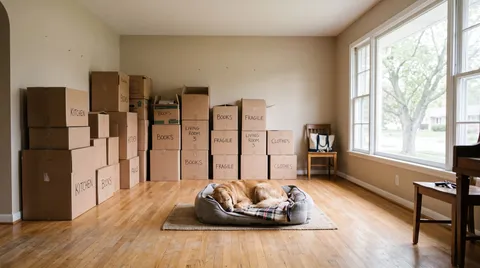 Life Transitions
 Moving House with a Reactive Dog: What Changes and What Doesn't
A move resets every environmental variable your reactive dog's training depended on. Here's how to manage the transition — before, during, and after moving day.
Read More → Life Transitions
 Reactive Dog and a New Baby: A Realistic Prep Timeline
Preparing a reactive dog for a new baby works best starting 3-4 months out. Here's a realistic, honest timeline — sound desensitization, cues, routes, and safe spaces.
Read More → Life Transitions
 Introducing a New Puppy When You Already Have a Reactive Dog
A leash-reactive dog can often do great with a new puppy at home. Here's a controlled, honest approach to introductions — crate, gate, tether, rotate.
Read More → Breed-Specific
 Reactive Dog Breeds: Which Dogs Are Prone to Reactivity, and Why
Some breeds are more prone to reactivity than others, but predisposition isn't destiny. Here's which breeds tend toward it, why, and what actually helps regardless.
Read More → Breed-Specific
 Small Dog Reactivity: Why Chihuahuas Get a Pass They Shouldn't
Small dog reactivity gets laughed off instead of addressed. The training that helps a Chihuahua is identical to what helps a German Shepherd — it's just rarely applied.
Read More → Breed-Specific
 Border Collie Reactivity: Herding Instinct or Behavior Problem?
Border Collies were bred to fixate on and control movement. Here's how to tell herding instinct apart from reactivity, and why this breed needs more than leash walks.
Read More → Breed-Specific
 Why Is My German Shepherd So Reactive?
German Shepherds were bred for the exact sensitivity that shows up as reactivity in a suburban or city environment. Here's why, and what actually helps.
Read More → Programs & Reviews
 Brain Training for Dogs Review: Does It Actually Help Reactive Dogs?
An honest look at Brain Training for Dogs — what it actually covers, who it's genuinely a good fit for, and where it falls short for reactivity specifically.
Read More → Method
 Decompression Walks: What They Are and How to Start This Week
A decompression walk gives your dog freedom to sniff and wander at their own pace. Here's why they matter for reactive dogs and how to start one this week.
Read More →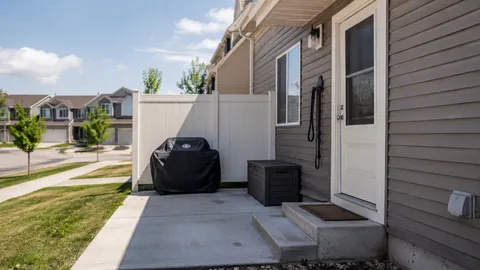 Apartment & City Living
 Reactive Dog Training with No Backyard or Fenced Yard
No private yard doesn't mean no training space. Sniffspot rentals, empty parking lots, and a long line can substitute for a fenced yard — here's how to make it work.
Read More → Specific Triggers
 Muzzle Training Guide: How to Get Your Dog Comfortable
A step-by-step muzzle conditioning guide for reactive dogs — how to build comfort gradually, what basket muzzle to look for, and a realistic timeline.
Read More → Method
 How to Find Your Dog's Threshold Distance (Step-by-Step)
Threshold distance is the single most useful concept in reactive dog training. Here's a step-by-step protocol for finding it and working at it safely.
Read More → Gear
Gear Best Harness for a Reactive or Pulling Dog
Back-clip harnesses can make reactivity worse. Here's why front-clip and dual-clip designs give you better physical control, and what to actually look for in fit.
Read More →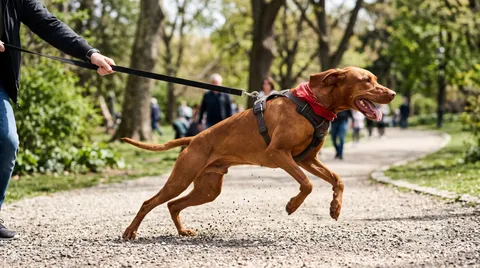 Specific Triggers
 My Dog Is Reactive on Leash But Fine Off-Leash — Here's Why
If your dog barks and lunges on leash but plays fine at the dog park, it's probably barrier frustration, not fear. Here's how to tell the difference and what actually helps.
Read More →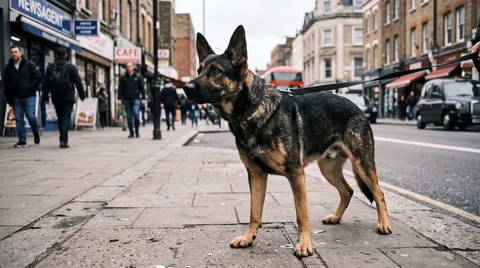 Core Guide
 Dog Reactivity: The Complete Guide
This dog reactivity guide covers what reactivity actually is, common triggers, the threshold-distance method, and how every technique on this site fits together.
Read More → Apartment & City Living
 Reactive Dog Training in an Apartment: A Realistic Plan (No Backyard Needed)
A step-by-step plan for training a reactive dog in an apartment — hallway protocols, controlled practice reps, and what progress realistically looks like without a yard.
Read More →Chance Reynolds
Loose Leash Life is researched and written by Chance Reynolds. Every method here is built by reading and cross-checking force-free training sources — position statements from the American Veterinary Society of Animal Behavior, veterinary guidance from the AVMA, the directory of veterinary behaviorists at DACVB.org, and established methods like Grisha Stewart's Behavior Adjustment Training — not from personal certification. This is a research-driven resource, not a substitute for hiring a certified trainer or veterinary behaviorist for your specific dog.
Need hands-on help? Here's how to find a qualified trainer near you →Every cluster of posts on this site, grouped by what kind of help you're looking for.
Apartment & City Living
Training plans for specific living situations — apartments, no yard, city walks — where standard advice assumes space you might not have.
4 postsSpecific Triggers
Guidance for specific reactivity triggers and patterns, from leash-only reactivity to particular breed tendencies.
5 postsBreed-Specific
How breed tendencies shape reactivity, and what to expect and plan for based on your dog's breed background.
4 postsLife Transitions
Managing reactivity through major life transitions — a new baby, a move, a new pet — that reset a dog's routine and environment.
4 postsMethod
The core training techniques — threshold distance, decompression, desensitization — that underlie most of the training on this site.
4 postsGear
Honest guidance on harnesses, muzzles, and other equipment that supports training — not a substitute for it.
4 postsPrograms & Reviews
Reviews of training programs and courses, evaluated honestly against what reactive dogs specifically need.
4 postsCore Guide
The hub page and foundational method behind everything else on this site.
2 posts