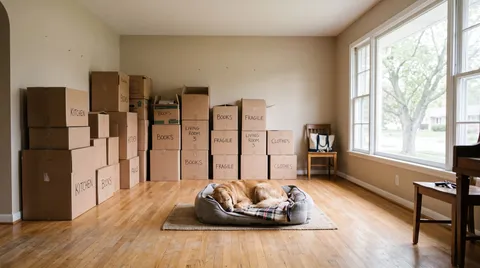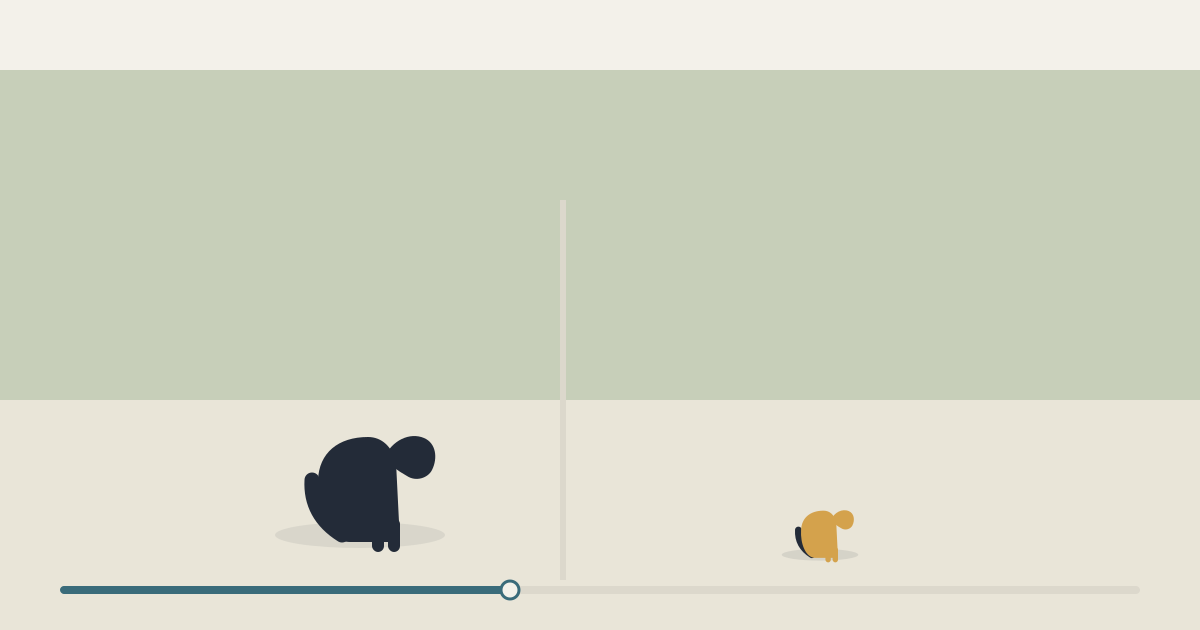
Preparing a reactive dog for a new baby isn’t something to figure out in the last few weeks before the due date — it works best started 3 to 4 months out, while you still have the time and headspace to do it in manageable pieces. This is a realistic timeline, not a rushed checklist, because rushed is exactly what tends to go wrong here.
Start 3-4 months out, not the week before
The single biggest factor in how this goes is how early you start. A newborn brings sudden, unfamiliar sounds, smells, schedule chaos, and a lot less attention for your dog, all arriving at once if you haven’t prepared. Spreading the preparation below across three or four months means your dog is adjusting gradually to one new thing at a time, rather than everything changing at once the week the baby comes home. If you’re reading this with less time left than that, start now anyway — later is still better than not at all — but don’t expect to compress four months of gradual work into two weeks without some rough edges.
Sound and scent desensitization
Babies come with distinctive sounds and smells your dog has likely never encountered, and both are worth introducing gradually, well before arrival:
- Play recordings of a baby crying at low volume, building up gradually over sessions — start quiet enough that your dog doesn’t react at all, and only increase volume once they’re consistently relaxed at the current level. This is the same threshold-based logic used for any other trigger: work at the level your dog can cope with, not the level that produces a reaction — the gradual, low-stress handling approach Fear Free Pets recommends for introducing any novel, potentially stressful stimulus applies just as well to sound desensitization.
- Pair the sound with something good — treats, a calm activity, dinner — so the association being built is positive, not just neutral tolerance.
- Introduce baby lotion, powder, and wipes scents before the baby arrives, so the smell itself isn’t novel on day one. Let your dog investigate a used baby item (with supervision) the way you’d let them investigate anything new.
Teach a small set of cues that actually work
It’s tempting to try to prepare for everything, but a small number of genuinely reliable cues beats a long list of shaky ones. Prioritize:
- “Go to your spot” — a reliable send-to-a-mat or bed cue, useful for countless moments where you need your dog settled somewhere specific without physically managing them.
- “Leave it” — for diapers, bottles, pacifiers, baby toys, and anything else your dog will now encounter at floor level constantly.
- Calm settling on cue — the ability to lie down and stay relaxed near you for an extended period, which matters enormously during feeding and changing routines when you need your hands and attention elsewhere.
Three to five cues your dog reliably performs under real distraction are worth far more than eight or ten your dog only sometimes gets right — pick the ones that matter most for your specific home setup and drill them until they’re solid, rather than spreading practice thin across everything you can think of.
Practice the physical realities
A lot of new-baby dog problems aren’t about the baby directly — they’re about a dog who’s never seen you push a stroller, carry an armful of baby gear, or move differently than usual. Practice these before they matter:
- Walk with a stroller together, empty at first, so your dog gets used to walking alongside it, including the width and turning behavior that’s different from a normal walk.
- Carry a doll or wrapped bundle around the house and on short walks, so your dog adjusts to seeing you hold something in your arms consistently, including how that changes your movement and attention.
- Practice calm behavior during simulated feeding and changing routines — sit with the “baby” for an extended period the way you would during an actual feeding, and reward your dog for settling nearby rather than needing constant engagement.
Scout quiet, stroller-friendly walking routes now
This matters specifically for a reactive dog in a way it might not for a calmer one: once the baby arrives, you will not have the bandwidth to manage a reactive episode while also managing a stroller and an infant. Scout and commit to a few quiet, low-traffic, stroller-friendly routes before the baby comes, the same way you’d scout outdoor training space if you don’t have a yard — known sightlines, predictable timing, minimal surprise encounters. Having this already figured out removes one entire category of stress from the first few overwhelming weeks.
Set up a safe space before the baby arrives, not after
Give your dog a designated retreat — a gated area, or a crate kept with the door open as an inviting space rather than a confinement tool — and get them comfortable using it well before the baby comes home. This should already feel like a normal, positive part of the house by the time it matters, not something introduced during an already-chaotic first week. A dog with a reliable safe space to retreat to handles household chaos considerably better than one who has nowhere predictable to go.
Be direct about when this isn’t optional
If your dog has genuine reactivity — not just occasional overexcitement — or any bite history, professional behavior support before the baby arrives isn’t a nice-to-have, it’s necessary. This is a case where it’s worth being blunt rather than optimistic: a newborn is not the moment to discover your dog’s reactivity is worse than you thought, and “we’ll figure it out together” is not an adequate plan when a genuinely vulnerable infant is involved. Work with a certified force-free trainer or veterinary behaviorist well before the due date — not because every reactive dog is a danger to a baby, most aren’t, but because getting a professional assessment ahead of time is the responsible way to find out, rather than learning it under pressure after the baby’s home. See the complete reactivity guide for more on when professional support is warranted.
The first introduction at home
When the day comes, keep the first introduction low-key and dog-led: let your dog sniff from a comfortable distance while someone else holds the baby, and don’t force closer contact than your dog is offering on their own. Reward calm curiosity — a soft sniff, a brief look followed by disengaging — the same way you’d reward calm awareness of any other new stimulus. There’s no need to orchestrate a dramatic “meet the baby” moment; a calm, low-pressure first exposure sets the tone for everything that follows far better than a forced one does.
Related reading
For the broader framework behind desensitization and threshold-based prep work, see the complete reactivity guide. If a muzzle is part of your safety planning for this transition, see the muzzle training guide for how to build comfort with it well ahead of time.